EYFS

THE BEGINNING OF AN EDUCATIONAL ADVENTURE

Train up a child in the way he should go; even when he is old he will not depart from it.

Proverbs 22:6


Blessed Robert Widmerpool Foundation Stage Unit:

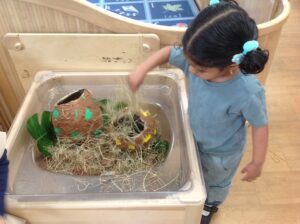
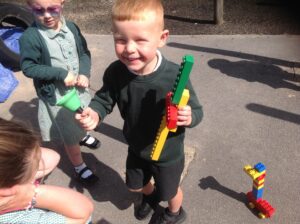
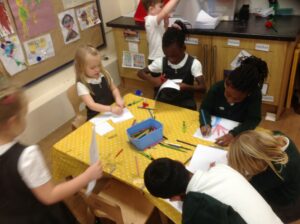
  • values a broad, rich, play-based curriculum in which children can develop their communication skills, confidence, curiosity and resourcefulness within an experiential setting that builds on and extends what they know already.
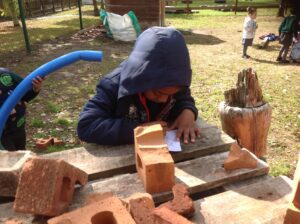
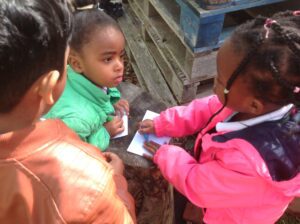
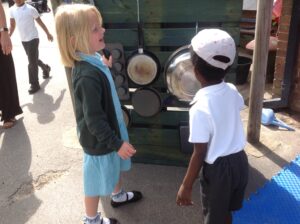
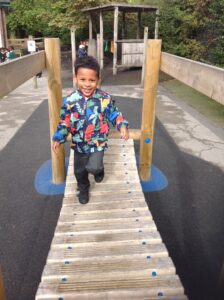
  •  is a place where nature and the outdoors is valued highly and is integral to children’s everyday experience as a way of nurturing their well-being and giving them the space in which to explore, develop physically and learn.
  • is a place where children are expected to be kind, respectful and loving towards all others and know that this is how they and their families will be treated too.
  • supports children to know Jesus, to reflect on His teaching and to make it part of their own lives.
  • gives children a strong foundation on which to build their future academic learning.

Further Information:

Early Years Foundation Stage Policy

BRW Foundation Stage Curriculum Overview:

FS1 Curriculum Overview Grid 

FS2 Curriculum Overview Grid 

BRW Foundation Stage Knowledge, Skills and Progression Document: EYFS Checkpoints And Pogression Document

EYFS Curriculum Guidance: 6.7534 DfE Development Matters Report And Illustrations Web 2

BRW FS Unit Booklet for New Parents:  Welcome Booklet 2025

Miss Chapman, Miss Matthews, Mrs Chahal and all the staff in the foundation stage offer the new children starting this term a very warm welcome, we look forward to seeing you learn and grow this term. Welcome back to our existing children. We hope you had a lovely Easter break.

We continue with our over-arching focus on our spiritual treasure within: our own qualities and the qualities of others. Matthew teaches us that what we value the most is what our hearts are drawn to. What we treasure is what will become our life’s focus. Thank you to all the families who have already filled pages of our Treasure Trove Books, sharing your child’s treasures.  They have loved sharing them. Lots more children will have a chance to contribute to these this Summer Term.

We are very excited to announce that our new topic is:

Explorers of the Universe!

We will focus on learning all about the world around us and beyond!

Activities include:

  • Comparing space exploration and travel
  • Comparing contrasting environments
  • Investigating states of matter e.g. melting ice
  • Learning about animals that live in the sea.
  • Exploring which objects might sink or float in water.

During our RE learning, this term we will be thinking about:

To The Ends of The EarthHear about – Jesus going back to His Father. Know Jesus has sent a special friend, the Holy Spirit, to look after us. Retell stories of Pentecost . Consider: That we can be very different from each other, but still be one family.

DialogueHear about – Friends of Jesus. Hear stories that help them to understand and show love, peace, and kindness, saying sorry just as Jesus told us about Consider: Talking about how they and other show feelings. Using our gifts, of peace and love etc in the world around them.

We will explore the other faith of Islam and compare with our own.

Our key stories this term will be:

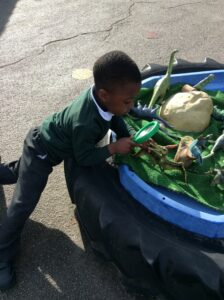
FS1 (Miss Chapman/Mrs Chahal’s class) – Bumpus, Jumpus, Dinosaurumpus, The Train Ride, Dinosaur Roar, and 10 Little Dinosaurs

FS2 (Miss Matthews’ class) – Whatever Next, Lost and Found and The Owl and The Pussy Cat

Our role play areas will change from a Space station to a Train station linking with an upcoming Seaside Topic Day – more information to follow!

Other Learning:

Art: Sculpture and 3D – exploring playdough, clay and air clay. Planning and creating an animal sculpture.

Science:

FS1 – Animals (Seaside) / Floating and Sinking

FS2 – Space

History / Geography :

FS1 – People who help us

FS2 – Out and About

Physical Development: Fundamentals; Getting ready for Sports Day; Team games

Relationships and Health Education: HT1 Ready Teddy? – Looking after our Bodies / Oral Health and God is Love – I like, you like, we all like / HT2  Role Model – part of God’s Family; Forever Friends; Me, You, Us –Belonging

Further Parent Information / How to Help at Home

Oral Health

At BRW, we actively promote good oral health for all children.
Tooth decay is largely preventable, yet it remains a serious issue—nearly 1 in 4 five‑year‑olds in England have tooth decay, and it is the leading cause of hospital surgery for children aged 6–10. In Foundation Stage, children are learning about oral health this term through the ‘People Who Help Us’ topic.       A visit from a dentist gives children the opportunity to explore dental equipment and ask questions. Good oral health is reinforced throughout the year through regular discussions about daily routines and healthy diets.

NHS oral health guidance for children aged 3–6 years:

  • Brush teeth twice daily for 2 minutes
  • Always brush before bed
  • Teeth should be brushed by an adult
  • Use fluoride toothpaste (at least 1,000ppm)
  • Use a pea-sized amount
  • Spit, don’t rinse after brushing


Why Dummies Should Be Stopped by Age Three

Speech & Language: Constant dummy use hinders babbling, experimenting with sounds, and forming words, potentially leading to unclear speech or lisping later on.  Dental Issues: Prolonged sucking can push front teeth forward (protrusion) or create a gap (open bite), often requiring orthodontic work.  Middle Ear Infections: Sucking can open the Eustachian tube, allowing bacteria from the nose to enter the middle ear, increasing infection risk.

Tips for Weaning Off Dummies

Limit Daytime Use: Restrict dummies to sleep times only, removing them when the child is awake and interacting.  Make it a Celebration: Use a special occasion like a birthday or holiday to ceremoniously give the dummy away to fairies or Santa, exchanging it for a gift.  Use Books: Read stories like The Last Noo-Noo to help children understand and prepare for giving it up.  Praise & Rewards: Offer lots of praise and use sticker charts to reward the child for not using their dummy.

You play a vital role in helping your child develop their communication and language skills. Here are some simple ways you can support them at home:

  • Talk, talk, talk! Describe what you’re doing, seeing or hearing during everyday routines.
  • Listen and give time – pause and allow your child time to respond, even if it takes a while.
  • Get down to their level and make eye contact when talking to encourage interaction.
  • Repeat and model language – if your child says a word or short phrase, repeat it back and add one more word.
  • Read together daily – sharing stories, talking about pictures and asking simple questions builds vocabulary.
  • Sing songs and rhymes – these help children learn new words and sounds in a fun way.
  • Reduce screen time and encourage face‑to‑face conversations and play.

Every child develops at their own pace, and small, everyday conversations make a big difference!



Helping at Home — Fine Motor Skills